
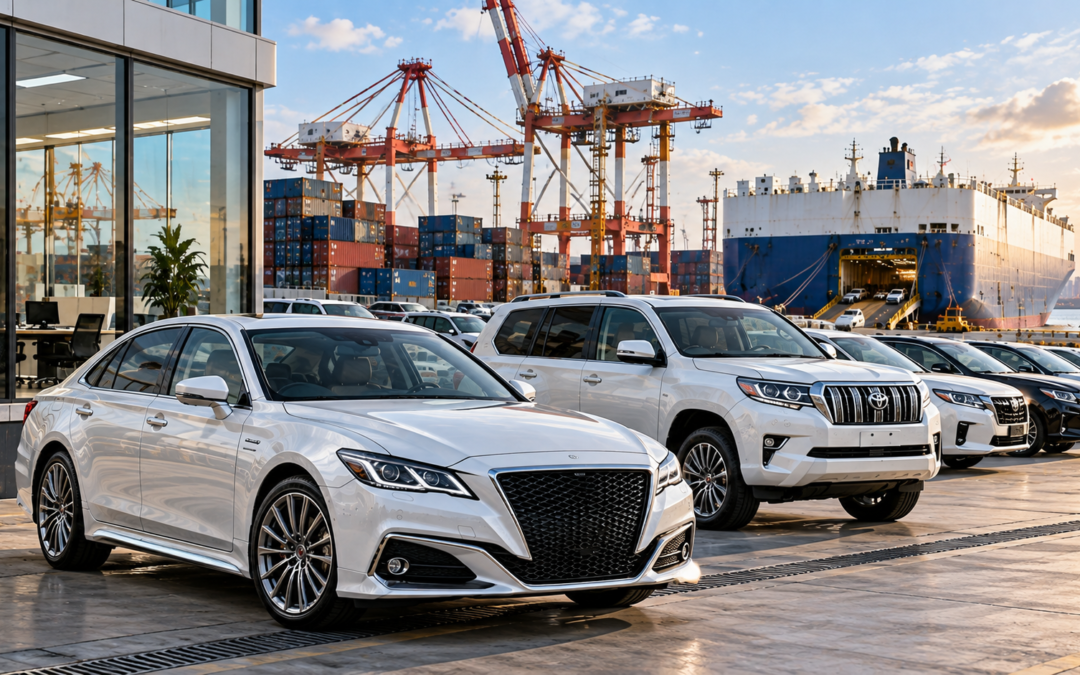
How to Choose a Reliable Japanese Car Exporter: 8 Things to Check Before Buying
Buying a vehicle from Japan can give international buyers access to a wide range of used cars, auction vehicles, and specialized models. However, choosing the right exporter is an important part of making the process smooth and transparent.
A reliable Japanese car exporter should help you understand the vehicle’s condition, purchase costs, documentation, and shipping arrangements. Before committing to a transaction, review these eight important factors.
1. Check the Exporter’s Business Information
Start by reviewing the exporter’s website, business contact details, service information, and available company background.
Look for clear communication channels and consistent business information. Check whether the company explains its vehicle sourcing and export procedures.
You can also request clarification about its operating process and the responsibilities it accepts during a transaction. Avoid making a decision based solely on a professional-looking website.
2. Verify Vehicle Details and Condition
Before buying, confirm the exact vehicle you are considering. Important details include the make, model, manufacturing year, mileage, engine specifications, chassis number, and auction or inspection information where available.
If the vehicle is offered through an auction, ask for the relevant auction sheet and an explanation of its condition report.
Photographs and auction grades can be helpful, but they should not be treated as a guarantee of mechanical condition. Review available inspection information and request clarification about any damage, repairs, or uncertain details.
3. Request a Transparent Cost Breakdown
A vehicle’s advertised price or winning auction bid may not include every expense associated with importing it.
Ask for an itemized estimate covering the relevant purchase price, auction or exporter fees, domestic transportation, export documentation, international shipping, and any other applicable charges.
Destination-country customs duties, taxes, port fees, and registration costs may be additional.
Comparing the total estimated landed cost makes it easier to evaluate different vehicles and exporters fairly.
4. Understand Payment Terms and Transaction Records
Before transferring money, understand the payment schedule, accepted payment methods, applicable fees, and conditions for completing the purchase.
Request written confirmation of the vehicle details, agreed price, payment terms, and any services included in the transaction.
Make payments through verified business channels and keep copies of invoices, receipts, and correspondence. Be cautious if you encounter unexplained payment changes or pressure to transfer funds without appropriate documentation.
5. Confirm Export Documentation Support
International vehicle shipments require appropriate documentation for export and destination-country customs procedures.
Ask which documents the exporter will coordinate and which responsibilities remain with you as the importer.
Depending on the transaction and destination, paperwork may include vehicle export records, purchase invoices, shipping documents, and supporting import documentation.
Confirm the specific requirements for your destination country before finalizing the purchase.
6. Compare Shipping Methods and Delivery Arrangements
International vehicle shipping commonly involves RORO or container shipping, depending on the vehicle, destination, carrier, and availability.
RORO allows eligible vehicles to be driven onto and off a specialized vessel. Container shipping transports vehicles inside shipping containers.
Ask for the estimated shipping schedule, destination port, charges included in the quote, and any additional port or handling expenses.
Shipping schedules and arrival times can change, so clarify whether quoted timelines are estimates rather than guarantees.
7. Evaluate Communication and Customer Support
Clear communication is essential when buying a vehicle internationally. A good exporter should explain the process, respond to reasonable questions, and provide updates about important transaction milestones.
Before committing, consider how clearly the company explains vehicle sourcing, payments, documentation, shipping, and potential delays.
Ask who will handle your questions throughout the process and how you can request updates after the purchase.
8. Review Services and Destination-Country Requirements
Different exporters provide different services. Some focus on auction sourcing, while others may offer ready-stock vehicles, specialized sourcing, documentation coordination, or shipping arrangements.
Choose a provider whose services match your needs.
At the same time, verify that your preferred vehicle meets your destination country’s import rules. Requirements may involve vehicle age, steering configuration, emissions, safety standards, or other restrictions.
A vehicle should not be purchased solely because it is available in Japan; confirm its eligibility and estimated import costs first.
Work with AYA International Japan
AYA International Japan supports international buyers through Japanese vehicle sourcing and export coordination. Depending on your requirements, services may include auction sourcing, ready-stock vehicles, special vehicle sourcing, export documentation, customs coordination, and RORO or container shipping arrangements.
Discuss your preferred model, budget, destination country, and shipping requirements to understand which options may be suitable.
Looking for a Japanese vehicle exporter? Contact AYA International Japan to discuss your requirements and clarify the sourcing and export process before making a purchase.
Frequently Asked Question
How can I find a reliable Japanese car exporter?
Review the company’s business information, vehicle documentation process, pricing transparency, payment terms, communication, and shipping arrangements. Request written details before committing to a purchase.
What should I check before buying a car from a Japanese exporter?
Verify the vehicle’s specifications, mileage, condition information, auction sheet where applicable, total estimated cost, payment terms, export documentation, and destination-country import eligibility.
How can I avoid hidden costs when importing a car from Japan?
Request an itemized cost estimate that distinguishes vehicle purchase expenses, exporter fees, shipping, insurance, customs duties, taxes, port handling, and local delivery costs. Confirm which charges are excluded.
Should I verify a Japanese car's auction sheet before buying?
Yes. An available auction sheet can provide useful information about the vehicle’s recorded condition, mileage, and reported defects. Ask for help interpreting it and consider additional inspection information where available.
What services should a Japanese car exporter provide?
Depending on your needs, useful services may include vehicle sourcing, auction coordination, purchase documentation, export paperwork, shipping arrangements, and customs coordination. Confirm the exact services included in your agreement.